Physical understanding. Computational reach.

Numerical modelling, physics-informed learning and digital-twin research. We investigate how these methods can make engineering behaviour easier to explore, starting with induction heating.

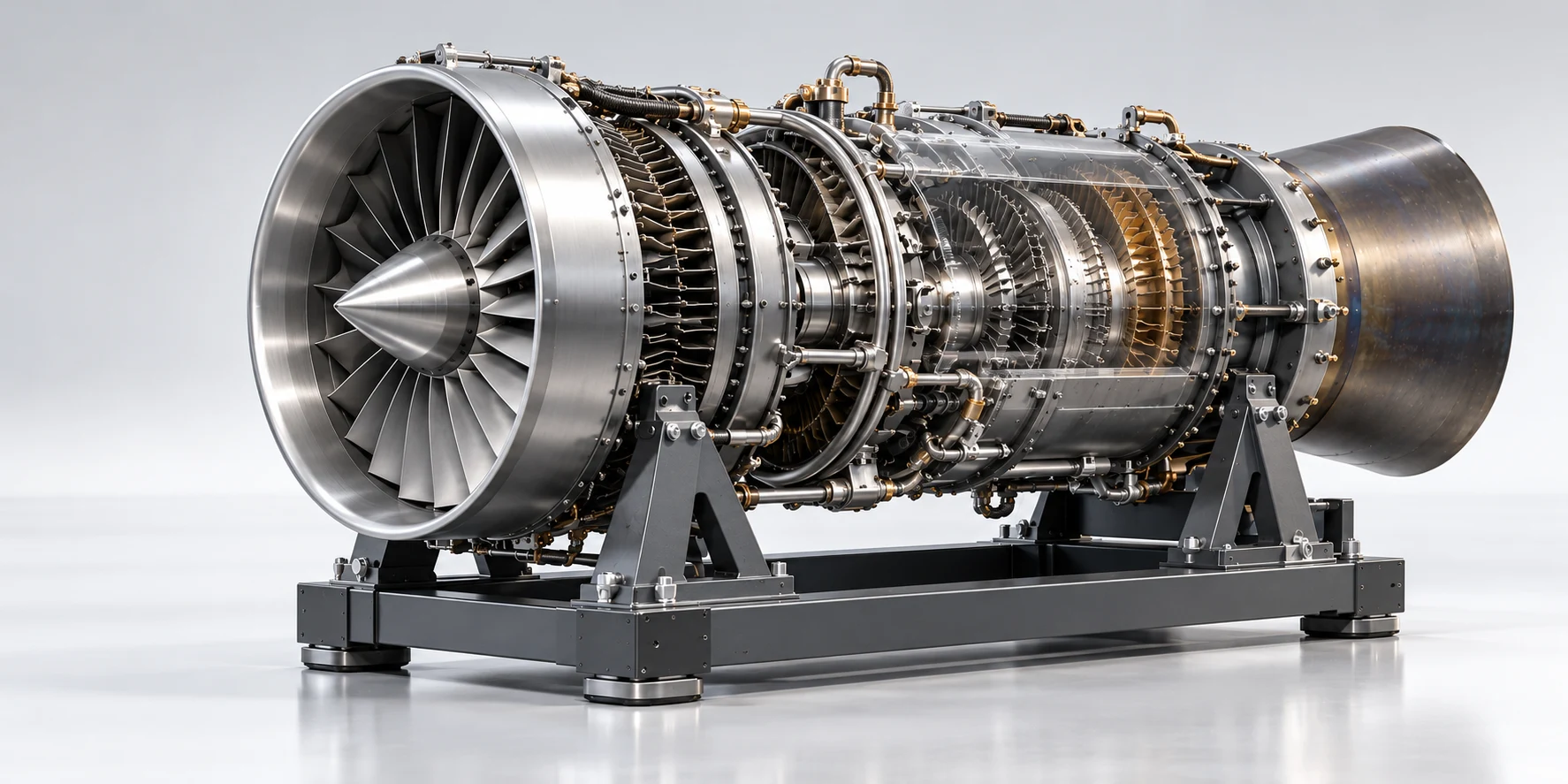
Detailed gas turbine concept render with partly transparent casing and visible internal stages
01

Numerical modelling

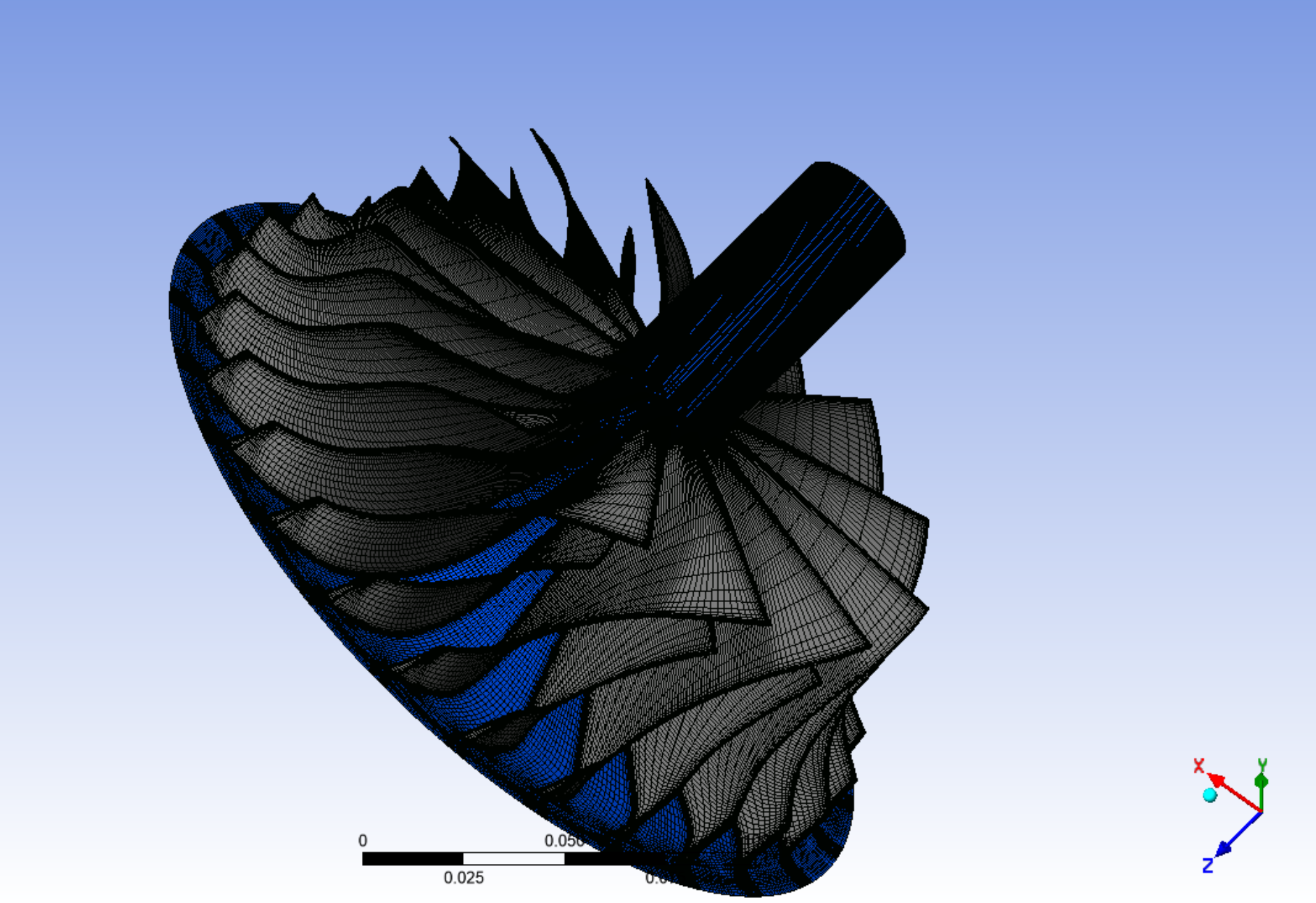
Represent the geometry, material properties and boundary conditions needed to answer a design question. Depending on the application, the model resolves heat transfer, fluid flow or mechanical response, with numerical resolution checked against the quantities being compared.
02

Physics-informed learning

Include governing-equation residuals, boundary conditions or other physical relationships in model development alongside reference data. Test whether that choice improves prediction quality or data efficiency; using physics in training does not by itself establish accuracy.

03

Digital twins

Link a model to an identified physical asset through operating measurements and an explicit update process. Specify the state variables, data frequency and decisions it supports, so changes in the asset can be related to changes in its digital representation.

A method you can examine.

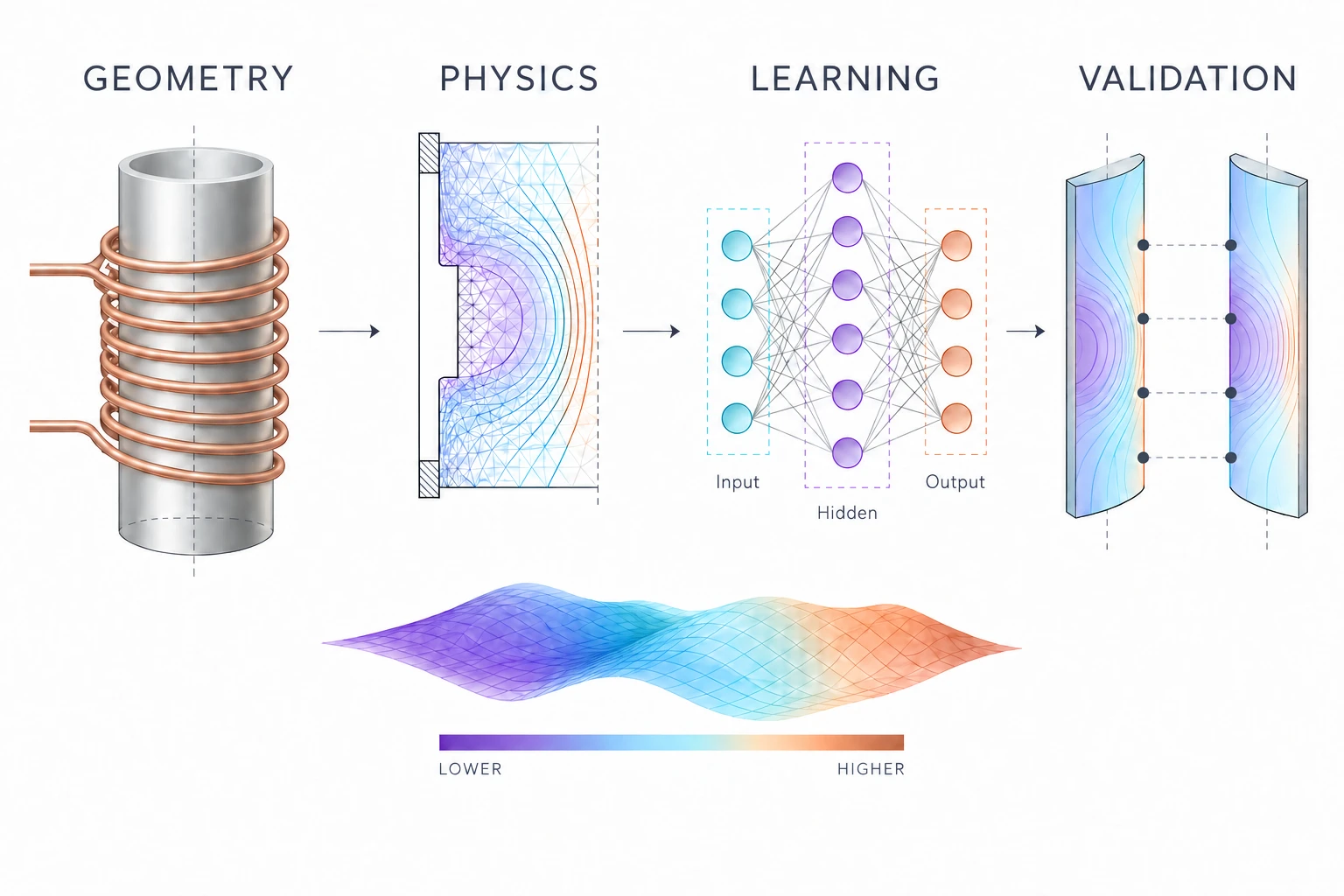
Record the geometry version, material data, governing assumptions and numerical settings. Keep model fitting separate from final evaluation, and compare the quantities an engineer will use: for example temperature, pressure or heat flux, with units and the relevant error measures.

Qualitative workflow connecting geometry, physics, learning and validation

Induction heating.
A focused starting point.

The first programme asks whether a learned model can accelerate repeated comparisons of induction-heating settings. The evaluation will relate process inputs to thermal outputs, measure error against held-out references and account for the cost of generating data and training the model.

Inside the programme

Extend the method with purpose.

Gas turbine systems

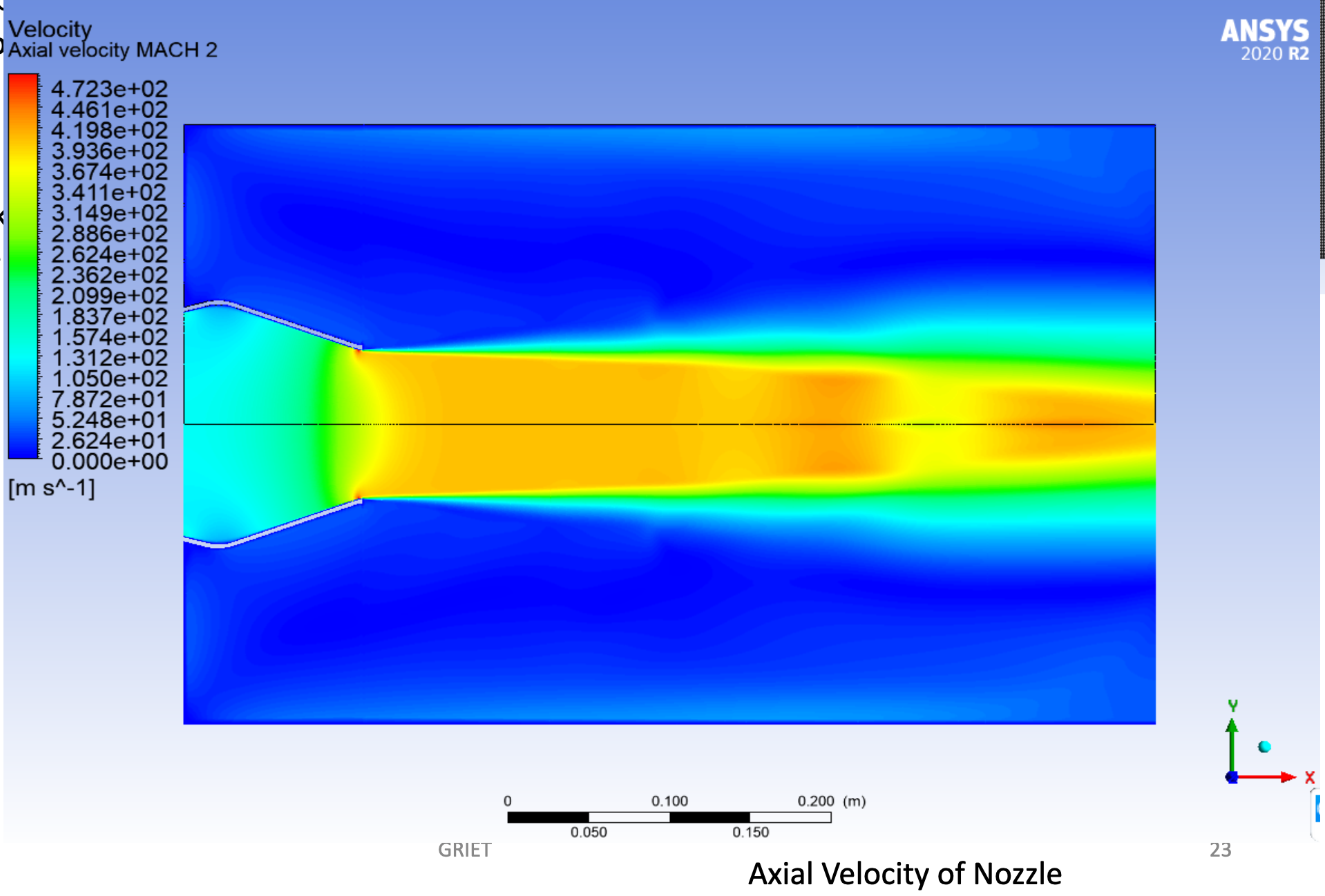
Further work targets aero and industrial gas-turbine applications. A component study might examine flow or thermal response under specified inlet conditions, rotational speed and loading. The selected geometry, measurements and reference simulations would determine the model’s scope.

Cooling & refrigeration

Combine thermodynamic models with optimisation to compare cooling mechanisms, refrigeration cycles and operating conditions. Candidate objectives include energy input, coefficient of performance and equipment constraints, evaluated against the same cooling duty and environmental conditions.

Methods across domains

Reuse parameter studies, sensitivity analysis and model-evaluation methods across thermal, fluid and structural questions. A network trained for one process does not automatically represent another; transfer needs a defined relationship between the physics, inputs and available data.

Start with the question your model must answer.

Discuss a technical brief